Hatch Blog
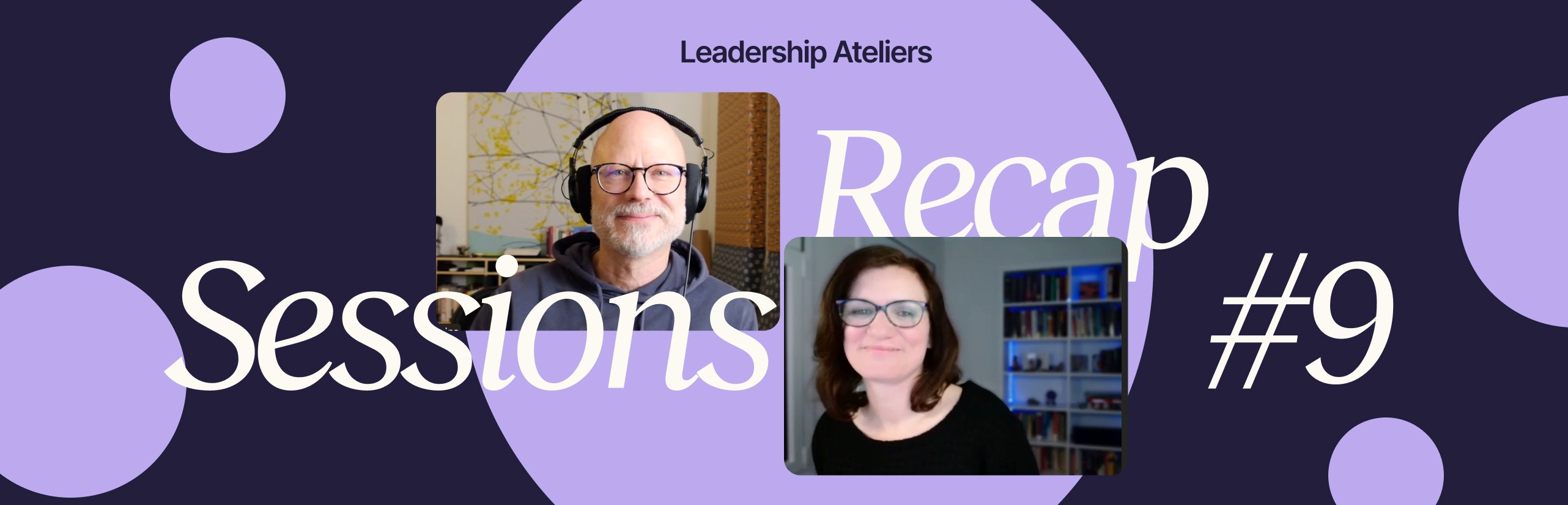
This was the focus of a recent Ateliers session with Andy Polaine and Angela Pesta. Their conversation offered grounded, practical insights that resonate strongly with anyone exploring design leadership conferences or advanced leadership training.
One of the clearest messages from the session was that most change initiatives fail for human reasons, not structural ones. Leaders often respond to uncertainty by adding process, frameworks, or documentation. Andy and Angela argued that none of this works if trust is weak.
Trust is built through consistency, transparency, and emotional steadiness. Leaders who stay calm, assume positive intent, and acknowledge uncertainty create space for teams to adapt instead of resist.
Both speakers highlighted a moment many new leaders struggle with. The job quietly shifts from doing the work to creating the conditions for others to do their best work. This includes managing expectations, handling tension between teams, and translating strategy into something people can act on.
This transition is rarely supported in traditional design roles, which is why design leadership events increasingly focus on mindset, communication, and decision making under pressure.
Influence comes from partnership, not authority
Angela spoke about influence as something earned, not claimed. Design becomes strategic when leaders help others succeed. That means involving partners early, making thinking visible, and framing design decisions in language that resonates with business and product goals.
Andy added that influence compounds over time. Each reliable collaboration builds credibility. Over time, design is invited into conversations earlier and trusted with more complex decisions.
Professional presence shapes trust
A highly practical takeaway from the session was the importance of professional presence. Leaders are always communicating, even when they are not speaking. How they respond to stress, disagreement, or uncertainty sends a strong signal to the organisation.
Oversharing frustration or reacting defensively can quietly undermine trust. Clear, thoughtful communication builds it. This skill is rarely taught explicitly, yet it strongly shapes how leaders are perceived.
Leading teams through disruption and AI driven change
AI surfaced repeatedly as a force accelerating change. As tools automate parts of design work, expectations shift. Andy and Angela agreed that this makes leadership more important, not less. Teams need clarity, boundaries, and reassurance about where human judgment still matters.
Design leaders who can guide teams through ambiguity, explain tradeoffs, and connect daily work to broader strategy become essential during periods of disruption.
Why design leadership events matter right now
The challenges discussed in this session mirror what many design leaders are experiencing daily. Navigating change. Rebuilding trust. Expanding influence beyond craft. Making sense of AI inside organisations.
For those considering design leadership conferences or events, the most valuable ones address these realities directly. They focus on lived experience, not theory, and create space for honest conversations about leadership as it really is.
That is exactly the kind of work Ateliers exists to support.